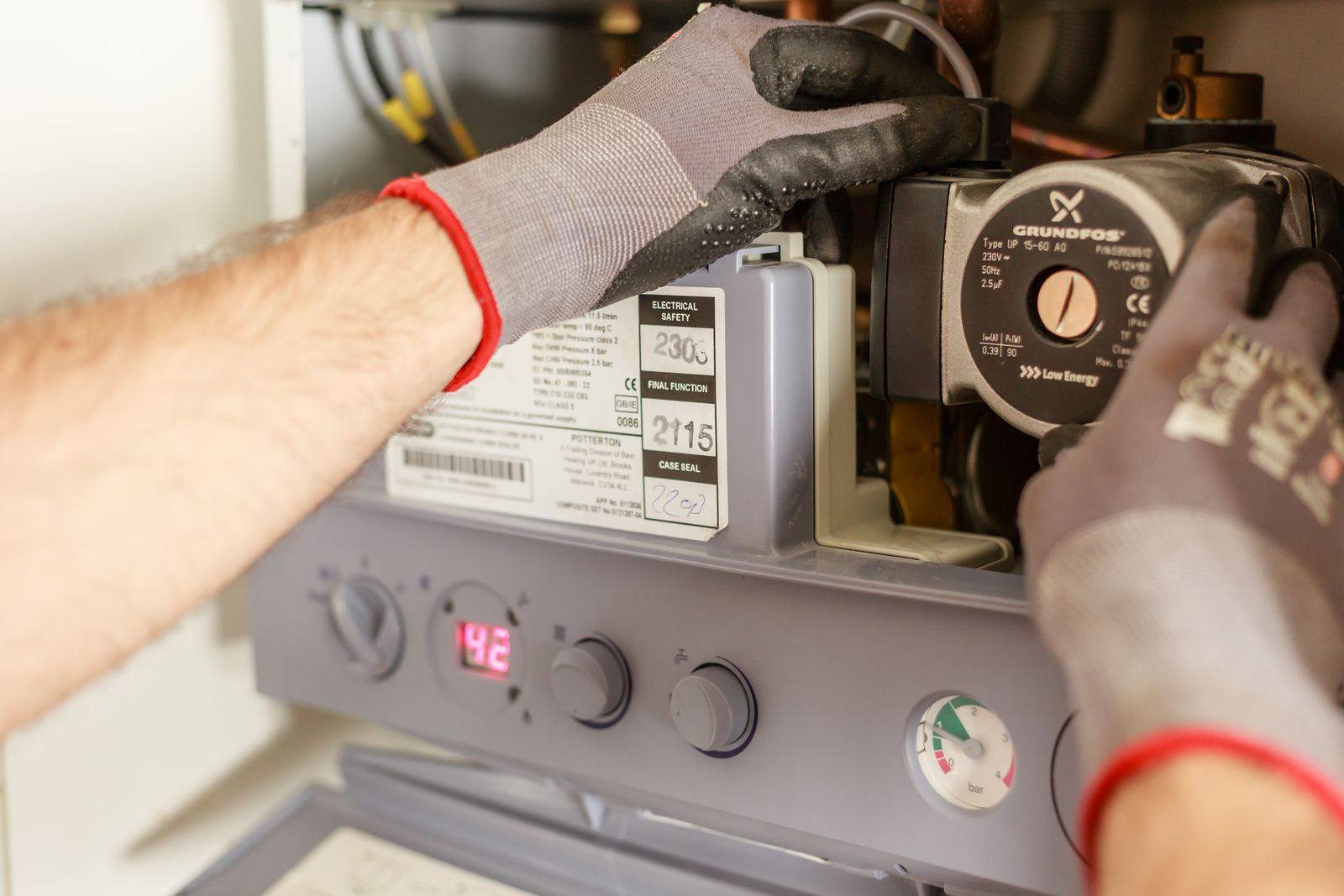
Maintenance is what keeps an Charlotte heater alive
A water heater is one of the few appliances in a home that fails by leaking — and a leak is an emergency, not an inconvenience. In Charlotte, the difference between a heater that lasts 8 years and one that lasts 12 is usually maintenance, because the water here carries dissolved minerals that leave sediment in tanks, scale in tankless units, and anode rods consumed years ahead of schedule.
What follows is what a tune-up actually includes, how often each item is needed here, and what you can check yourself between visits. Requests are shared with independent local providers.
What a maintenance visit includes
Flushing the tank
Draining and flushing the tank removes sediment that has settled at the bottom. In hard-water areas this is the single most valuable maintenance item: sediment insulates the water from the burner or element, makes the heater work harder, causes the popping and rumbling noises homeowners notice, and shortens the tank's life. Once sediment hardens into a crust, flushing may not remove it fully — which is why flushing should be done annually, before the build-up hardens.
Checking and replacing the anode rod
The anode rod is a sacrificial metal rod inside the tank that corrodes so the tank does not. In hard water it is consumed faster than in soft-water regions — sometimes in as little as 3–5 years. Once the rod is gone, the tank itself starts to rust, and the first sign is often a leak. Checking the rod every few years, and replacing it when worn, is the cheapest way to extend a tank heater's life, and it is the maintenance item most often skipped.
Descaling a tankless unit
Tankless heaters have no tank for sediment to settle in, but scale builds up on the heat exchanger's narrow passages. As scale accumulates, the unit heats less efficiently, delivers fluctuating temperatures, and eventually throws error codes or shuts down. Descaling — flushing the unit with a vinegar or descaling solution through isolation valves — is normally recommended once a year in hard-water areas.
The rest of the inspection
A tune-up also covers the temperature-and-pressure relief valve, the thermostat setting, the venting or flue, the gas or electrical connections, and the strapping or bracing that local code requires. In garage and attic installations, ventilation and combustion air get a closer look, because summer heat stresses components there.
How often, and what it costs
Annual flushing for tank heaters and annual descaling for tankless units is the usual recommendation. Anode-rod checks every two to three years are enough for most homes; homes with a water softener may go longer between flushes. Maintenance visits are priced by the provider who responds to your request — this site does not set prices — but a tune-up is normally far cheaper than an emergency replacement after a leak.
What you can do yourself
- - Check the temperature setting. Keeping the thermostat at 120°F reduces scale formation compared with higher settings, and is also safer against scalding.
- - Listen for changes. New popping, rumbling, or banging noises usually mean sediment is building up.
- - Look for water. Any dampness or pooling around the base of the heater deserves attention now, not at the next tune-up.
- - Test the relief valve carefully by lifting its lever briefly — water should flow and then stop. If it keeps dripping, it needs attention.
- - Do not drain a tank yourself unless you know how — a tank under pressure can scald.
Frequently Asked Questions
How often should I flush my water heater in Charlotte?
Once a year is the usual recommendation in hard-water areas. Homes with a water softener may go longer; homes with very hard water or older heaters should not go longer.
My heater has never been flushed. Is it too late?
Not necessarily, but be honest with the provider about it. Heavy sediment that has hardened may not flush out fully, and a provider may recommend replacing the anode rod and inspecting the tank rather than promising a full clean-out.
Does a water softener replace the need for maintenance?
No. A softener reduces new scale formation, which protects the heater and the plumbing, but it does not remove sediment already in the tank, and it does not replace flushing, anode-rod checks, or descaling.
What is the most important maintenance item?
For a tank heater, flushing plus the anode rod. For a tankless heater, annual descaling. Skipping either one is the fastest route to an early failure.